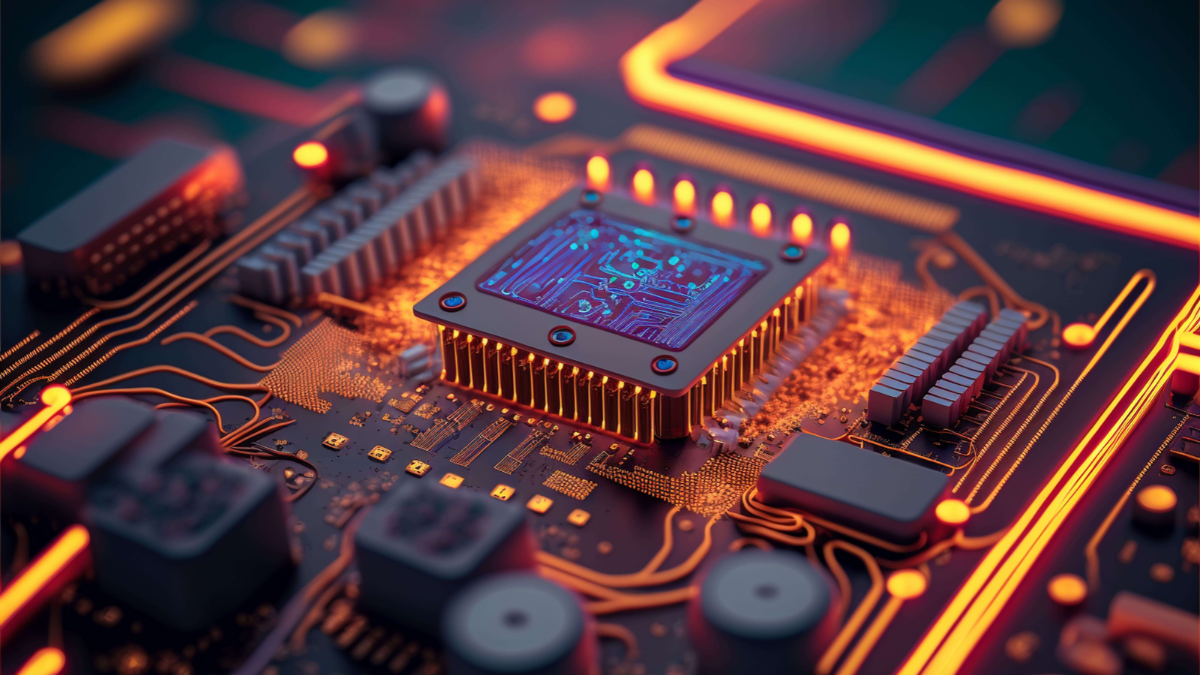


Businesses developing advanced electronic products often need specialized digital hardware that can deliver performance, flexibility, and reliable operation. From telecommunications equipment and industrial systems to embedded computing applications, Field Programmable Gate Arrays (FPGAs) play an important role in modern hardware engineering.
However, developing an FPGA-based solution requires expertise in digital architecture, RTL design, hardware implementation, simulation, and verification. Waferlabs provides FPGA Design and Development Services to support businesses looking for specialized FPGA engineering capabilities.
Whether a company is developing a new electronic product, improving an existing hardware architecture, or integrating programmable logic into an embedded system, the right engineering support can make a significant difference. FPGA development requires careful coordination between design requirements, hardware architecture, and system-level functionality.
Through FPGA Design and Development Services, Waferlabs helps businesses address their digital hardware development requirements with an engineering-focused approach. This article explores the services, technologies, development stages, and business benefits of working with an experienced FPGA engineering partner.
FPGA Design and Development Services Offered by Waferlabs
Businesses developing specialized electronic products often need programmable hardware that can be adapted to specific performance and functionality requirements. Waferlabs provides FPGA Design and Development Services to support companies integrating programmable logic into their products and embedded systems.
FPGA development involves more than configuring a chip. It requires understanding the product architecture, defining the required digital functionality, and ensuring that the programmable hardware works effectively with other system components.
FPGA Architecture and Design Support
The first step is understanding what the product needs to achieve. Engineering teams evaluate the application, processing requirements, data flow, interfaces, and hardware limitations before defining an appropriate FPGA architecture.
Through its FPGA Design and Development Services, Waferlabs helps businesses approach these requirements with a structured engineering perspective. The design must account for:
- Required processing performance and operating conditions.
- Data input and output requirements.
- Communication interfaces with other components.
- Available FPGA resources and device limitations.
- Power, cost, and physical design considerations.
A suitable architecture helps avoid unnecessary complexity and provides a practical foundation for implementation.
FPGA Development for Embedded Systems
FPGAs can work alongside processors, microcontrollers, memory devices, and other hardware components. This makes them useful in embedded products that require specialized digital functionality.
Waferlabs supports businesses through FPGA development as part of its broader embedded engineering capabilities. Its FPGA Design and Development Services can be considered when a product requires programmable logic alongside hardware and firmware development.
For example, an industrial equipment manufacturer may need a dedicated digital logic block to handle specific control or data-processing tasks. The FPGA architecture must work reliably with the remaining embedded platform.
Hardware and System Integration
An FPGA does not operate independently in most commercial products. It must communicate with the surrounding hardware and software environment.
Integration considerations may include:
- Interface compatibility with processors and peripherals.
- Data transfer between hardware components.
- PCB-level connectivity and signal requirements.
- Firmware coordination and system communication.
- Testing the complete product configuration.
By considering these dependencies during development, businesses can reduce integration problems later in the product lifecycle. Waferlabs approaches FPGA Design and Development Services in the context of the larger product architecture rather than treating programmable logic as an isolated component.
Where Businesses Can Use FPGA-Based Solutions

The decision to use an FPGA depends on the product’s technical requirements. Businesses generally consider programmable logic when they need configurable digital hardware, specialized processing, or a design that can be adapted as requirements evolve.
Telecommunications Equipment
Telecommunications products often handle continuous data streams and require specialized digital processing. FPGA-based designs can support functions such as data handling, interface management, and application-specific logic.
Companies developing communication equipment can explore FPGA Design and Development Services when standard processing solutions do not adequately meet their hardware requirements.
Industrial Automation
Industrial systems may need dedicated logic for equipment control, monitoring, and communication. FPGA-based hardware can be integrated into industrial products where predictable digital operations and application-specific functionality are important.
For manufacturers, the engineering challenge is ensuring that the FPGA works correctly with sensors, controllers, communication interfaces, and other system components.
Automotive and Embedded Electronics
Automotive and embedded electronic products may involve multiple hardware subsystems with different processing and interface requirements. Programmable logic can be considered for specialized digital functions within these systems.
Businesses developing such products can evaluate FPGA Design and Development Services as part of their hardware engineering strategy. The final architecture should reflect the product’s operating environment, performance requirements, and integration needs.
Consumer and Specialized Electronic Products
Some consumer and commercial electronics require customized digital functionality that may not be available through standard components alone.
An FPGA can provide a configurable hardware platform for selected applications. However, its suitability should be evaluated against development effort, device cost, power requirements, and production volume.
How the FPGA Development Process Works
A well-defined development process helps businesses manage technical decisions and avoid unnecessary changes during implementation. Waferlabs follows an engineering-oriented approach that connects product requirements with design, collaboration, engineering, and product support.
1. Requirement Analysis
The process begins with understanding the product and its intended functionality. Engineers review the business objective, technical specifications, system interfaces, and expected operating conditions.
For companies considering FPGA Design and Development Services, this stage helps establish whether programmable logic is appropriate for the application.
2. Architecture Planning
Once the requirements are understood, the engineering team develops an architecture that defines how the FPGA will function within the complete product.
The architecture should consider processing tasks, data movement, interfaces, device resources, and interactions with other hardware components.
3. Design and Engineering
The design is developed according to the agreed architecture and technical requirements. Engineering decisions must account for the FPGA device, surrounding hardware, and intended system behaviour.
Waferlabs brings FPGA development together with relevant hardware, PCB, and embedded engineering capabilities where the project requires collaboration across disciplines.
4. Integration and Evaluation
The FPGA design must be considered alongside the rest of the product. Interface compatibility, signal connections, communication, and system-level behaviour are important evaluation areas.
The specific integration and verification activities depend on the project scope and agreed deliverables.
5. Product and Manufacturing Support
As the design progresses towards a product, businesses may need support coordinating hardware, firmware, PCB, and manufacturing requirements.
Planning for these activities early can help reduce last-minute engineering changes. This is an important consideration when engaging a partner for FPGA Design and Development Services.
Key Challenges in FPGA-Based Product Development
Although FPGAs offer flexibility, developing a reliable solution requires careful engineering. Businesses should understand the potential challenges before committing to an architecture.
1. Defining the right architecture: An unsuitable architecture can create unnecessary complexity or fail to meet the application’s requirements. Early technical evaluation helps establish a realistic design direction.
2. Managing hardware resources: FPGA devices have finite logic, memory, and other resources. The design must fit the selected device while meeting performance expectations.
3. System integration: Compatibility with processors, memory, peripherals, and PCB connections must be considered. Integration problems can affect the wider product even when individual design elements appear suitable.
4. Balancing performance and cost: Selecting a device with more resources than necessary can increase product cost. Choosing an undersized device can restrict functionality. Businesses need to evaluate the trade-offs carefully.
5. Coordinating engineering disciplines: FPGA development may involve hardware, firmware, PCB, and embedded systems teams. Clear communication between these disciplines is essential.
Working with an experienced engineering partner for FPGA Design and Development Services can help businesses assess these challenges early and make informed technical decisions.
Why Partner with Industry Experts for FPGA Design and Development Services?
FPGA-based products involve decisions that influence the complete hardware architecture. Businesses without an in-house FPGA team may find it difficult to evaluate device selection, design requirements, and integration dependencies while managing other product development responsibilities.
Partnering with an experienced engineering company gives businesses access to specialized technical knowledge without having to build every capability internally. It can also help product teams focus on their core business objectives.
Waferlabs provides FPGA Design and Development Services as part of its broader embedded design and product development capabilities. Its engineering team includes professionals with backgrounds at companies such as Intel, Broadcom, Qualcomm, and Microsoft.
A multidisciplinary approach is valuable because FPGA development often connects with PCB design, hardware engineering, and firmware development. Coordinating these areas can help reduce technical gaps and support more consistent product development.
For startups, external engineering support can provide access to capabilities that may be difficult to maintain in a small internal team. Growing businesses and established enterprises can also use specialist support to address specific project requirements.
Ultimately, the right engineering partner should understand the product objective, communicate technical decisions clearly, and work towards practical, reliable outcomes.
Why Choose Waferlabs for FPGA Design and Development Services?

Choosing an engineering partner is an important decision for businesses developing programmable hardware. The partner should understand how FPGA development connects with the wider electronic product and its commercial objectives.
Waferlabs supports businesses through FPGA Design and Development Services, backed by capabilities in hardware development, PCB design, firmware development, and embedded systems engineering.
This broader engineering perspective is useful when a project requires coordination between programmable logic and other product components. Instead of considering FPGA development separately, businesses can discuss how it fits into the complete system architecture.
Waferlabs follows a research-driven engineering approach and works with startups, growing businesses, and global enterprises. Its team brings experience from technology organizations including Intel, Broadcom, Qualcomm, and Microsoft.
The company focuses on helping clients move from technology concepts towards practical products through a structured development approach.
For businesses evaluating FPGA Design and Development Services, Waferlabs can be an engineering partner to discuss project requirements, technical challenges, and the appropriate development scope.
Conclusion
FPGA technology gives businesses the flexibility to develop specialized digital hardware for advanced electronic and embedded products. However, successful implementation depends on architecture planning, hardware compatibility, and coordination across engineering disciplines.
Working with an experienced partner for FPGA Design and Development Services can help businesses address these requirements with a structured approach. From FPGA development to hardware, PCB, and embedded systems engineering, the right technical support can make product development more manageable.
Waferlabs works with businesses to turn engineering concepts into practical product solutions. If your organization is planning an FPGA-based product or needs specialized programmable hardware expertise, explore how Waferlabs can support your engineering requirements.
FAQ’s About FPGA Design and Development Services
1. What are FPGA Design and Development Services?
FPGA Design and Development Services involve engineering work related to designing and developing solutions using Field Programmable Gate Arrays. These services may include architecture planning, programmable logic development, hardware integration, and project-specific engineering activities. Businesses use FPGA technology when they require configurable digital hardware for specialized applications. Waferlabs provides FPGA development as part of its embedded design and product development capabilities, helping businesses consider programmable logic within their broader electronic product architecture.
2. Which industries can benefit from FPGA development?
Industries such as telecommunications, automotive, industrial automation, and consumer electronics may benefit from FPGA-based solutions. The technology is useful when products require specialized digital functionality or configurable hardware. However, the suitability of an FPGA depends on the application’s performance, cost, power, and integration requirements. Businesses should evaluate these factors before selecting a solution. Waferlabs offers engineering capabilities relevant to FPGA and embedded product development for businesses working in these technology areas.
3. How do I know if my product needs an FPGA?
An FPGA may be suitable when a product requires specialized digital logic, configurable hardware functionality, or a particular processing architecture. The decision should consider whether an FPGA offers a practical advantage over alternatives such as microcontrollers, processors, or dedicated integrated circuits. Product requirements, expected production volume, development cost, and integration complexity should all be evaluated. Businesses can discuss their requirements with an engineering partner offering FPGA Design and Development Services before finalizing the product architecture.
4. Can FPGA development be integrated with PCB and firmware engineering?
Yes. FPGA-based products commonly involve coordination with other hardware and embedded system components. PCB design determines how the FPGA connects with surrounding devices, while firmware may manage communication and system-level operations. These areas should be considered together to avoid compatibility and integration problems. Waferlabs offers capabilities across FPGA development, PCB design, firmware development, and embedded systems engineering, allowing businesses to consider these connected requirements within a broader product development project.
5. Why should a business outsource FPGA development?
Outsourcing can help businesses access specialized engineering capabilities without building a complete internal FPGA team. It may be useful for startups, companies with limited in-house resources, or established organizations managing specific product development requirements. An external engineering partner can contribute to technical planning and coordinate relevant hardware development activities. Before selecting a provider, businesses should review its engineering capabilities, communication process, project scope, and experience with related product development requirements.
6. How can Waferlabs support an FPGA-based product?
Waferlabs provides FPGA development as part of its broader embedded design and product development services. Its capabilities include hardware development, PCB design, firmware development, and embedded systems engineering. These areas can be relevant when an FPGA must operate as part of a complete electronic product. The exact project scope depends on the client’s technical requirements and agreed deliverables. Businesses can approach Waferlabs to discuss their product concept, engineering needs, and potential development approach.