

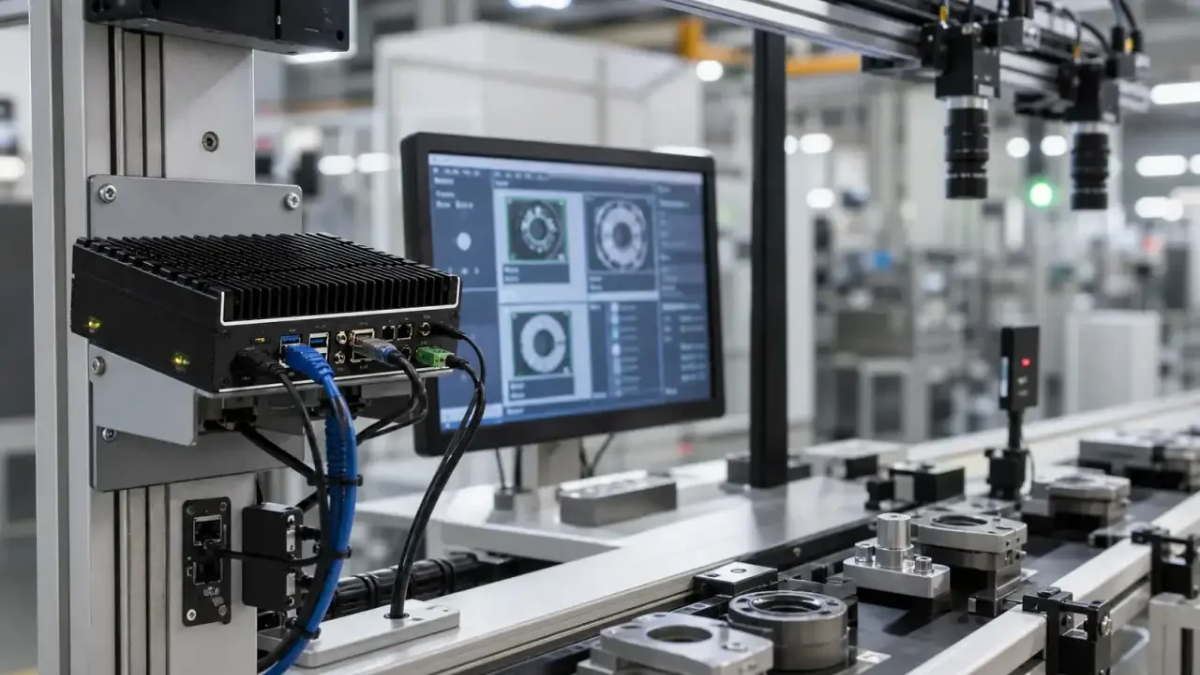


Modern industrial facilities depend on electronic systems that can monitor equipment, coordinate operations, and respond to changing production conditions. Behind these capabilities is embedded technology that connects sensors, controllers, motors, communication modules, and other hardware components. Designing the software that coordinates these elements is an important part of industrial product engineering.
Firmware Development for Industrial Automation helps businesses create embedded software solutions that support machine control, equipment monitoring, data acquisition, and communication between industrial devices. However, industrial environments introduce specific engineering requirements, including predictable operation, hardware compatibility, communication reliability, and efficient resource management.
For manufacturers and industrial technology companies, selecting the right firmware architecture can influence equipment performance and long-term product reliability.
Waferlabs brings together embedded systems, hardware, and firmware engineering expertise to support businesses working on specialized industrial products.
This article explores the role of embedded firmware in industrial automation, key engineering considerations, development challenges, and how businesses can approach reliable industrial system development.
1. Understanding the Role of Firmware in Industrial Automation Systems
Industrial automation depends on the coordination of machines, electronic controllers, sensors, actuators, and communication networks. These components must exchange information and respond to operating conditions in a predictable manner. Embedded firmware provides the control logic that enables this interaction.
Firmware Development for Industrial Automation involves creating embedded software for industrial equipment and control-oriented electronic products. It can support functions such as sensor monitoring, motor control, equipment communication, data acquisition, and system diagnostics.
For example, an automated production line may use sensors to detect the position of materials, controllers to manage machine operations, and motors to move components through different production stages. The embedded system needs suitable control logic to coordinate these functions.
Important firmware responsibilities include:
- Reading information from sensors and input devices.
- Controlling motors, relays, and other actuators.
- Managing communication between electronic components.
- Monitoring operating conditions and system status.
- Handling faults and unexpected hardware responses.
- Coordinating different embedded functions.
A well-planned Firmware Development for Industrial Automation approach starts with understanding the machine’s operating requirements and the capabilities of its electronic hardware.
The firmware architecture should also consider processing resources, timing constraints, communication interfaces, and the intended operating environment. These decisions influence how the complete system behaves.
For businesses developing industrial equipment, firmware is not simply an additional software feature. It is an important part of the product’s overall engineering architecture.
2. Major Applications of Firmware in Industrial Automation
Industrial automation covers a wide range of applications. Each application has different hardware configurations, operating requirements, and control objectives.
The following examples illustrate where Firmware Development for Industrial Automation is relevant.
PLC-Based Industrial Control Systems
Programmable Logic Controllers (PLCs) are widely used to manage industrial machines and processes. They receive input signals, evaluate control logic, and operate connected equipment.
Embedded firmware design for controller products may involve input and output management, communication interfaces, timing requirements, and system diagnostics.
Businesses developing specialized controllers can benefit from a structured Firmware Development for Industrial Automation approach that considers the complete electronic architecture.
Motor Control and Drive Systems
Industrial motors are used in conveyors, pumps, robotics, manufacturing equipment, and other machinery.
Embedded systems may manage motor commands, operating parameters, feedback signals, and protection-related functions. The firmware architecture must account for the selected motor-control hardware and required response characteristics.
Industrial Sensor and Monitoring Devices
Sensors collect information such as temperature, pressure, vibration, humidity, and proximity.
A suitable Firmware Development for Industrial Automation strategy defines how sensor information is acquired, processed, and transferred to other system components.
Robotics and Automated Machinery
Robotic equipment combines processors, motors, sensors, encoders, and communication interfaces. Embedded control software coordinates these components according to the machine’s intended functionality.
Industrial IoT Equipment
Connected industrial devices can collect equipment information and communicate with monitoring platforms.
Firmware architecture may need to consider networking interfaces, data handling, device configuration, and communication reliability.
These applications demonstrate why Firmware Development for Industrial Automation must be planned around the actual equipment and operating environment rather than using a generic software structure.
3. Important Technical Considerations in Industrial Firmware Design
Industrial products often operate for extended periods and interact with equipment that has specific timing, communication, and environmental requirements.
Therefore, Firmware Development for Industrial Automation requires careful consideration of several technical factors.
Real-Time Performance
Some industrial applications require the system to respond within defined time limits. For example, a controller may need to process an input and update an output within a predictable interval.
The architecture should account for processing priorities, task scheduling, interrupt handling, and timing constraints.
Real-Time Operating Systems may be appropriate for systems that need coordinated task execution. Simpler products may use a bare-metal architecture, depending on their requirements.
Communication Protocols
Industrial equipment frequently uses communication interfaces to exchange information with controllers, sensors, and monitoring systems.
Common technologies include:
- Modbus: Used in industrial communication between compatible devices.
- CAN: Common in distributed embedded control systems.
- Ethernet: Supports wired network communication.
- RS-485: Used for communication over industrial serial networks.
- I2C and SPI: Connect processors with local electronic peripherals.
Firmware Development for Industrial Automation should define communication requirements, data formats, error handling, and interface responsibilities.
Hardware Resource Management
Industrial embedded devices may have limited memory, processing capacity, and power resources. Firmware architecture should account for these constraints from the beginning.
Fault Detection and Recovery
Industrial equipment must be able to identify relevant abnormal conditions. The design should define how the system responds to sensor failures, communication interruptions, invalid inputs, and unexpected operating states.
Environmental Requirements
Industrial electronics may operate in environments involving vibration, temperature variation, electrical interference, and dust.
The firmware architecture should be considered alongside hardware protection and product-level environmental requirements.
These technical considerations help make Firmware Development for Industrial Automation more aligned with actual industrial operating conditions.
4. The Engineering Approach to Industrial Firmware Development

A successful industrial embedded product requires more than writing control code. Engineering teams need to understand the complete system, define its architecture, and document how hardware and software should interact.
A structured Firmware Development for Industrial Automation process can be organized into the following stages.
Step 1: Requirement Analysis
The process begins by understanding the product’s purpose and operating requirements.
Engineers review:
- Equipment functionality.
- Processor and microcontroller specifications.
- Connected sensors and actuators.
- Communication requirements.
- Timing and performance expectations.
- Power and memory constraints.
This stage establishes the foundation for Firmware Development for Industrial Automation and helps identify technical dependencies.
Step 2: Hardware Architecture Review
The firmware requirements must match the capabilities of the selected electronic hardware.
This involves reviewing processor resources, peripheral interfaces, memory, clock requirements, and component specifications.
Step 3: Firmware Architecture Planning
The architecture defines how different software functions will be organized.
It may include hardware abstraction, device interfaces, control modules, communication functions, diagnostics, and power management.
A modular structure can make the system easier to maintain and extend.
Step 4: Interface and Data Flow Definition
The next stage defines how information moves between sensors, controllers, actuators, and external systems.
For example, an industrial monitoring device may collect temperature measurements, organize the data, and communicate it to a central controller.
Firmware Development for Industrial Automation should document these interactions clearly so that engineering teams work with consistent interface requirements.
Step 5: Verification Planning
Before implementation and product integration, engineers should identify how the design requirements will be verified.
This may include functional testing, communication checks, timing analysis, fault-condition testing, and hardware validation.
Step 6: Technical Documentation
The architecture, interface specifications, assumptions, and design decisions should be documented.
Clear documentation helps hardware and firmware teams coordinate their work and gives future engineers a reference for maintenance and product updates.
5. Common Challenges in Industrial Automation Firmware Projects
Industrial embedded projects can involve complex hardware dependencies and demanding operating requirements. Identifying potential problems early can help businesses reduce unnecessary redesign and integration work.
Integration Between Hardware and Software
A firmware architecture must reflect the actual electronic design. Differences between hardware specifications and software assumptions can lead to communication failures or unexpected system behavior.
A coordinated Firmware Development for Industrial Automation process helps define these dependencies before implementation.
Communication Reliability
Industrial products may exchange data with several connected devices. Incorrect configuration, incompatible data formats, or communication interruptions can affect system operation.
The design should define communication behavior and appropriate error responses.
Timing and Synchronization
Systems involving multiple sensors, motors, and controllers may need coordinated operations. Timing requirements should be understood before choosing the software architecture.
Long-Term Maintainability
Industrial equipment may remain in operation for many years. The firmware architecture should therefore support understandable code structures, clear interfaces, and manageable future modifications.
Resource Constraints
Processing capacity, memory, and power limitations can influence the available design options. Engineers need to consider these restrictions when planning the system.
A technically sound Firmware Development for Industrial Automation approach evaluates these challenges in relation to the complete product rather than treating them as isolated software issues.
6. Why Choose Waferlabs for Industrial Embedded Engineering?
Industrial equipment manufacturers and product companies often need engineering support that considers both electronic hardware and embedded software requirements.
Waferlabs provides embedded systems and electronics engineering capabilities to support businesses developing specialized products. Its research-driven approach helps teams evaluate technical requirements and plan suitable engineering solutions.
For businesses exploring Firmware Development for Industrial Automation, understanding the relationship between hardware architecture and embedded software is particularly important.
Relevant Waferlabs capabilities include:
- Embedded Systems Engineering: Engineering support for products combining processors, peripherals, and embedded functionality.
- Hardware Design: Support for electronic architecture and component-level design requirements.
- PCB Design: Board-level engineering for industrial electronic products.
- FPGA Development: Support for programmable hardware requirements where appropriate.
- Firmware Engineering: Relevant engineering expertise for embedded product requirements.
The Waferlabs team includes engineering professionals with backgrounds at organizations such as Intel, Broadcom, Qualcomm, and Microsoft.
A coordinated Firmware Development for Industrial Automation approach can help businesses make informed decisions about hardware interfaces, system architecture, and product requirements.
Rather than treating each engineering activity separately, product teams can benefit from considering how the different components contribute to the final system.
For companies developing industrial controllers, monitoring equipment, and specialized electronic products, this multidisciplinary perspective can help establish a clearer engineering direction.
7. How to Select the Right Industrial Firmware Engineering Partner
Choosing an engineering partner is an important decision for businesses developing industrial electronic products.
Before selecting a provider for Firmware Development for Industrial Automation, evaluate the following areas.
1. Embedded Engineering Knowledge
Look for an understanding of microcontrollers, processors, communication interfaces, and embedded architectures.
2. Industrial Application Experience
The engineering team should understand the requirements of industrial equipment, including timing, communication, environmental conditions, and equipment integration.
3. Hardware and Firmware Coordination
A provider with relevant hardware and embedded engineering knowledge can help identify dependencies between electronic components and firmware requirements.
4. Technical Documentation
Ask how architecture specifications, interface definitions, and engineering decisions will be documented.
5. Verification Approach
Discuss how the proposed design requirements will be reviewed and how testing responsibilities will be handled.
6. Project Scope and Deliverables
Clearly define whether the engagement covers architecture, firmware design, implementation, verification, or other engineering activities.
The right partner should understand the product’s technical objectives and explain how its engineering services fit into the wider development process.
A carefully evaluated Firmware Development for Industrial Automation engagement can help businesses establish a more organized approach to developing industrial embedded products.
Conclusion

Industrial automation depends on embedded systems that coordinate electronic components, monitor equipment, and manage machine operations. Firmware architecture plays an important role in defining how these systems communicate and respond to operating conditions.
Businesses should evaluate hardware compatibility, communication protocols, timing requirements, fault handling, and long-term maintainability before finalizing their engineering approach.
A structured Firmware Development for Industrial Automation strategy helps establish a technical foundation for industrial electronic products.
Waferlabs brings together embedded systems and hardware engineering capabilities to support businesses working on specialized industrial products. Careful engineering decisions at the design stage can help create a clearer path from product concept to implementation.
Frequently Asked Questions
1. What is Firmware Development for Industrial Automation?
Firmware Development for Industrial Automation involves creating embedded software that manages the operation and communication of industrial electronic equipment. It can support sensors, controllers, motors, actuators, monitoring devices, and communication interfaces. The firmware requirements depend on the product architecture, processor, operating environment, and intended functionality. A suitable engineering approach begins with understanding the equipment requirements and defining how the hardware and software components should interact.
2. Which programming languages are commonly used for industrial firmware?
C and C++ are widely used in embedded systems because they provide control over hardware resources and system operations. The appropriate language depends on the processor, operating system, development environment, and product requirements. Some industrial systems also use specialized development environments and tools. Language selection should be considered alongside memory constraints, timing requirements, maintainability, and hardware compatibility.
3. Why is real-time performance important in industrial automation?
Real-time performance matters when equipment must respond to inputs within defined time limits. For example, a controller may need to process sensor information and update an output within a predictable interval. Delays can affect machine coordination or application performance. The system architecture should therefore consider task scheduling, interrupt handling, processing priorities, and communication timing according to the application’s requirements.
4. What communication protocols are used in industrial embedded systems?
Industrial embedded systems may use Modbus, CAN, Ethernet, RS-485, and other communication technologies. The choice depends on the connected equipment, required data rate, network architecture, and operating environment. Local peripherals may also communicate through interfaces such as SPI and I2C. Engineers should define communication requirements and error-handling behavior during the system design process.
5. Can Waferlabs support industrial automation product engineering?
Waferlabs provides engineering capabilities in embedded systems, hardware design, PCB design, and FPGA development. These capabilities can support businesses developing industrial electronic products and specialized embedded systems. Companies can discuss their hardware architecture and engineering requirements with the team to identify relevant design support. The project scope should clearly define whether the required engagement involves design, implementation, or other engineering activities.
6. How does firmware support predictive maintenance in industrial automation?
Firmware Development for Industrial Automation can support predictive maintenance by enabling embedded devices to collect and organize equipment information, including temperature, vibration, operating hours, and performance indicators. This data can be shared with monitoring systems for further analysis. Based on the application architecture, businesses can use this information to identify unusual operating patterns and plan maintenance activities before equipment failures disrupt production.
7. What factors should businesses consider before starting an industrial firmware project?
Businesses should evaluate processor selection, hardware interfaces, communication protocols, real-time requirements, memory limitations, and operating conditions. Firmware Development for Industrial Automation should also consider equipment safety, fault handling, scalability, and future maintenance requirements. Clearly defining these factors at the beginning helps engineering teams establish a suitable architecture, identify technical dependencies, and reduce unnecessary design changes during product development.
8: How can firmware improve production efficiency in industrial automation?
Firmware Development for Industrial Automation helps improve production efficiency by coordinating sensors, controllers, motors, and other electronic components. Well-designed firmware enables accurate control, timely responses to operating conditions, and consistent communication between connected equipment. It can also support automated monitoring, reduce manual intervention, and help identify operational irregularities. The specific benefits depend on the equipment, control architecture, and system requirements.
9: Why is firmware reliability important in industrial automation?
Firmware reliability is essential because industrial equipment often operates continuously in demanding environments. An unexpected firmware error can interrupt production, affect equipment performance, or create safety concerns. Firmware Development for Industrial Automation should account for fault detection, error handling, communication failures, timing requirements, and recovery behaviour. Careful architecture, testing, and validation help ensure that embedded systems behave consistently under normal operating conditions and during unexpected events.

